

Designing Homes That Work as Well as They Look
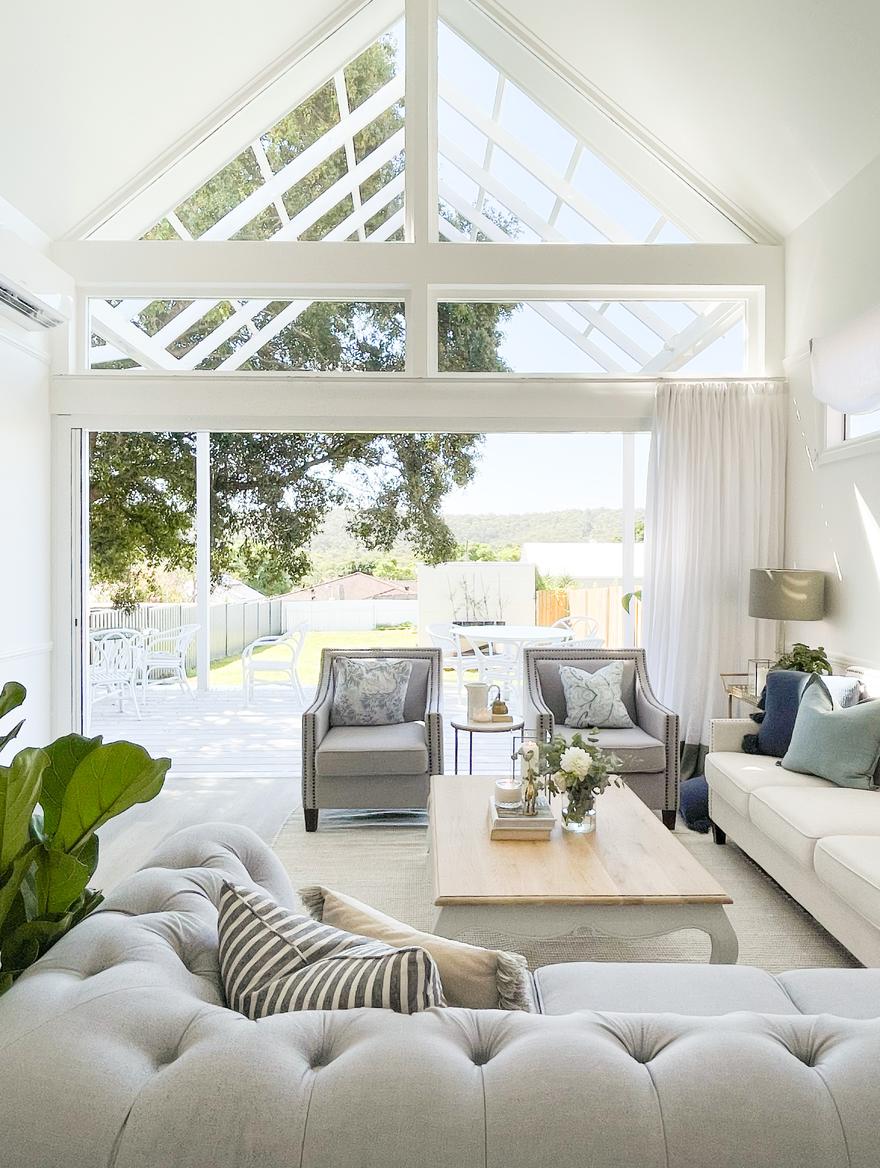
There's a version of interior design that produces spaces that photograph beautifully but are exhausting to live in. Surfaces that show every fingerprint. Storage that looks elegant but doesn't hold what you actually own. Layouts that work for a single person but create chaos for a family. At Findlay & Co., we believe that beauty and function are not in tension — they're the same thing. A space that doesn't work for the people who live in it isn't beautiful, no matter how good it looks in photographs. This article explores what functional beauty means in practice, why it matters more than aesthetics alone, and how we design homes that work as well as they look — for real people, living real lives, in the Hunter Region and across NSW.
TABLE OF CONTENTS
- What Is Functional Beauty?
- Why Function and Aesthetics Are Not in Tension
- The Five Principles of Functional Beauty
- How We Design for Real Life, Not for Photographs
- Functional Beauty in Practice: Room by Room
- The Role of Biophilic Design in Functional Beauty
- A Real-World Example: Hunter Region Family Home
- Why Functional Beauty Is Accessible — Not Just for Luxury Homes
- FAQ: Functional Interior Design in NSW
- Ready to Design a Home That Works?
WHAT IS FUNCTIONAL BEAUTY?
Functional beauty is the design philosophy that a space is only truly beautiful when it works — when it supports the lives of the people who live in it, when it makes daily routines easier rather than harder, when it holds up to real use over time.
It's the opposite of design for design's sake. It's the opposite of spaces that look stunning in a magazine but create friction in daily life.
Functional beauty shows up in the details: a kitchen island positioned so two people can cook together without getting in each other's way. A bathroom layout that works for a family of four getting ready at the same time. A living room that can accommodate a movie night, a homework session, and a dinner party — not as separate configurations, but as a single flexible space that adapts to how the family actually lives.
It shows up in the materials: surfaces that age gracefully rather than showing every mark. Flooring that handles muddy boots and wet feet without looking worn. Cabinetry that holds what you actually own, not just what looks good in a styled shoot.
And it shows up in the feeling: the sense that a space is working with you rather than against you. That everything is where you expect it to be. That the home supports your life rather than requiring you to adapt your life to it.
WHY FUNCTION AND AESTHETICS ARE NOT IN TENSION
There's a persistent myth in interior design that function and aesthetics are in tension — that you have to choose between a space that looks beautiful and a space that works. That practical choices are ugly choices. That beautiful choices are impractical ones.
This myth produces two kinds of bad design.
The first is design that prioritises aesthetics at the expense of function: spaces that look stunning but are exhausting to live in. Kitchens with no practical storage. Bathrooms with surfaces that require constant maintenance. Living rooms arranged for visual impact rather than for how people actually sit and talk and watch television.
The second is design that prioritises function at the expense of aesthetics: spaces that work perfectly well but feel joyless. Efficient but uninspiring. Practical but not beautiful. Homes that meet every functional requirement but don't make you feel anything when you walk into them.
Both are failures of design. And both stem from the same false premise: that function and aesthetics are separate considerations that have to be balanced against each other.
They're not. The best design integrates them completely. A kitchen island that's positioned perfectly for how a family cooks together is also, by virtue of that positioning, more beautiful — because it looks right, because it makes sense, because it has a reason for being where it is. A material chosen for its durability and ease of maintenance can be just as beautiful as one chosen purely for its appearance — and it will remain beautiful for longer, because it won't show the wear that a less practical choice would.
Function and aesthetics reinforce each other. That's what functional beauty means.
THE FIVE PRINCIPLES OF FUNCTIONAL BEAUTY
At Findlay & Co., functional beauty is guided by five principles that shape every design decision we make.
PRINCIPLE 1: DESIGN FOR HOW YOU ACTUALLY LIVE, NOT HOW YOU WISH YOU LIVED
The most common mistake in residential design is designing for an idealised version of life rather than the actual one. The kitchen designed for a home cook who prepares elaborate meals from scratch — when the family actually relies on quick weeknight dinners and weekend batch cooking. The living room designed for quiet evenings reading — when the reality is homework, gaming, and family movie nights.
Great design starts with honest observation. How do you actually use this space? What happens in it on a Tuesday morning? What happens on a Saturday afternoon? What are the routines, the habits, the patterns that the space needs to support?
Design that starts with this question produces spaces that feel effortless — because they're built around real life, not an imagined one.
PRINCIPLE 2: CHOOSE MATERIALS FOR LONGEVITY, NOT JUST APPEARANCE
A material that looks beautiful on day one but shows wear within two years is not a beautiful material. It's a material that was chosen for the wrong reasons.
Functional beauty means choosing materials that age well — that look as good (or better) after five years of real use as they did when they were installed. Timber that develops a patina. Stone that weathers gracefully. Tiles that hold their colour and texture over time.
It also means choosing materials that are appropriate for how the space is used. A polished concrete floor in a family home with young children and a dog is a different proposition to the same floor in a quiet home office. The right material for a space is the one that performs well in the actual conditions of that space — not the one that looks best in a showroom.
PRINCIPLE 3: STORAGE IS DESIGN
Storage is one of the most undervalued elements of residential design. And yet it's one of the most important determinants of whether a space works in daily life.
A home without adequate, well-designed storage is a home that will always feel cluttered — no matter how beautiful the finishes are. Because the things that don't have a place will find a place, and that place will be visible.
Functional beauty means designing storage as an integral part of the space — not as an afterthought. It means understanding what you actually own and need to store, and designing storage that holds it properly. It means making storage beautiful — cabinetry that looks as good as it functions, built-in solutions that feel like part of the architecture rather than furniture added after the fact.
PRINCIPLE 4: LIGHT IS THE MOST POWERFUL DESIGN TOOL
Natural light transforms spaces. It makes rooms feel larger, warmer, and more connected to the outside world. It changes how colours and materials look across the day. It affects how we feel — our energy, our mood, our sense of wellbeing.
Functional beauty means designing for light — maximising natural light where possible, understanding how light moves through a space across the day, and making material and finish choices that work with the light conditions of the specific space.
It also means designing artificial lighting with the same care. Layered lighting — ambient, task, and accent — gives a space flexibility across different uses and times of day. A kitchen that's lit only by a single overhead fitting is a kitchen that will feel flat and functional at best. A kitchen with layered lighting can feel warm and inviting in the evening, bright and energising in the morning.
PRINCIPLE 5: WELLBEING IS A DESIGN OUTCOME
The spaces we live in affect how we feel. This is not a soft claim it's supported by decades of research in environmental psychology and biophilic design. Natural light, connection to nature, good air quality, acoustic comfort, thermal comfort — these are not luxuries. They're the conditions that allow us to feel well in our homes.
Functional beauty means designing for wellbeing — not just for visual impact. It means thinking about how a space will feel to be in, not just how it will look. It means making choices that support the physical and mental health of the people who live there.
This is the foundation of our approach at Findlay & Co. We design spaces that make you feel well — in your mind and your body — not just spaces that look good.
HOW WE DESIGN FOR REAL LIFE, NOT FOR PHOTOGRAPHS
At Findlay & Co., we have a simple test for every design decision: does this work for how this family actually lives?
Not for how a family might live in a magazine. Not for how the space will look in a portfolio photograph. For how this specific family, with their specific routines and habits and needs, will use this space on a Tuesday morning and a Saturday afternoon.
This test changes the decisions we make.
It means we ask about the dog before we specify the flooring. It means we ask about homework routines before we design the kitchen island. It means we ask about how the family entertains before we plan the living and dining zones. It means we ask about morning routines before we design the bathroom layout.
And it means we're honest when a beautiful choice isn't the right choice for a particular family. A white linen sofa is beautiful. It's also impractical for a family with young children and a dog. A designer who specifies it anyway because it looks right, is prioritising the photograph over the life.
We don't do that. We find the solution that is both beautiful and right for how you live. Because we believe those two things are always compatible — if you're willing to look hard enough for the answer.
FUNCTIONAL BEAUTY IN PRACTICE: ROOM BY ROOM
THE KITCHEN
The kitchen is the most functionally complex room in a home. It's a workspace, a social space, a homework space, a gathering place. It needs to work for cooking, for entertaining, for daily family life.
Functional beauty in the kitchen means:
- A layout that works for how you actually cook — whether that's one person cooking alone or two people cooking together
- Storage designed around what you actually own and use, not a generic kitchen storage solution
- Surfaces that handle real use — heat, moisture, cutting, spills — without requiring constant maintenance
- Lighting that works for cooking, for entertaining, and for the quiet moments in between
- A connection to the dining area and the outdoor space that makes sense for how meals actually happen in your household
THE BATHROOM
The bathroom is a space of daily ritual and the quality of that ritual is determined almost entirely by how well the space functions.
Functional beauty in the bathroom means:
- A layout that works for the number of people using it and the routines they have
- Storage that holds what you actually use, positioned where you actually need it
- Surfaces that handle moisture and daily use without showing wear
- Lighting that works for the practical tasks of the bathroom — shaving, applying makeup, getting children ready — as well as for the moments of quiet and restoration
THE LIVING SPACE
The living space is where a family spends most of its time together. It needs to be flexible enough to accommodate the full range of activities that happen in it — from quiet evenings to active family life.
Functional beauty in the living space means:
- A layout that works for how the family actually sits and moves and uses the space
- Furniture chosen for comfort and durability as well as appearance
- Storage that keeps the space feeling ordered without requiring constant tidying
- A connection to the outdoor space that makes the living area feel larger and more connected to the natural environment
- Lighting that can shift from bright and energising to warm and intimate depending on the time of day and the activity
THE BEDROOM
The bedroom is a space of rest and restoration. Its primary function is to support sleep and everything in it should serve that function.
Functional beauty in the bedroom means:
- A layout that prioritises the bed and creates a sense of calm and order
- Storage that holds what you need without creating visual clutter
- Materials and finishes that feel warm and comfortable — not just visually, but physically
- Lighting that supports the transition from wakefulness to sleep
- A connection to natural light that supports the body's natural rhythms
THE ROLE OF BIOPHILIC DESIGN IN FUNCTIONAL BEAUTY
Biophilic design — design that connects people to the natural world — is one of the most powerful tools for creating spaces that support wellbeing.
The research is clear: exposure to natural light, natural materials, plants, and views of nature reduces stress, improves mood, and supports cognitive function. Spaces that incorporate biophilic design principles feel better to be in — not just aesthetically, but physiologically.
At Findlay & Co., biophilic design is woven into our approach to functional beauty. It shows up in:
- Natural light maximisation: designing spaces that capture and distribute natural light throughout the day, reducing reliance on artificial lighting and connecting occupants to the rhythm of the natural world.
- Natural materials: specifying timber, stone, linen, wool, and other natural materials that bring warmth, texture, and a sense of connection to the natural world into the interior.
- Indoor-outdoor connection: designing spaces that connect visually and physically to the outdoor environment — through views, through direct access, through the use of materials that blur the boundary between inside and outside.
- Living elements: incorporating plants, water features, and other living elements that bring the natural world directly into the interior.
These are not luxury additions. They're design decisions that make spaces feel better to live in and they're available at every budget level.
A REAL-WORLD EXAMPLE: HUNTER REGION FAMILY HOME
A recent project in the Hunter Region involved a family of five renovating a 1980s brick home. The brief was clear: they wanted a home that felt beautiful but that could handle real family life — three children, a dog, a busy household.
The existing home had beautiful bones but a floor plan that didn't work for how the family lived. The kitchen was isolated from the living and dining areas. The living room was formal and underused. The outdoor entertaining area was disconnected from the interior.
We started with function.
The kitchen was opened to the living and dining areas, with an island positioned to work for two adults cooking together while children did homework at the bench. The living room was redesigned around how the family actually used it — a large, comfortable sofa, a television positioned for family movie nights, storage that kept the space feeling ordered without requiring constant tidying.
The indoor-outdoor connection was redesigned — a wide sliding door replaced a narrow French door, creating a direct visual and physical connection between the kitchen and the outdoor entertaining area. The outdoor space was designed as a genuine extension of the living area, not a separate zone.
Materials were chosen for longevity and ease of maintenance: engineered timber flooring that handles the dog and the children, stone bench tops that age gracefully, cabinetry with a matte finish that doesn't show fingerprints.
The result is a home that photographs beautifully. But more importantly, it's a home that works — for a family of five, with a dog, living a full and active life. The clients described it as "the first home we've lived in that actually feels like ours."
That's functional beauty.
WHY FUNCTIONAL BEAUTY IS ACCESSIBLE — NOT JUST FOR LUXURY HOMES
One of the most persistent myths about interior design is that it's a luxury — something for people with large budgets and large homes.
It's not. Functional beauty is available at every budget level. Because the principles that make a space work — good spatial planning, thoughtful material selection, storage designed around real life, connection to natural light - don't require a large budget. They require good design.
A small apartment can be functionally beautiful. A modest family home can be functionally beautiful. A rental property can be functionally beautiful, within the constraints of what can be changed.
What functional beauty requires is a designer who starts with how you live, not with what looks good. A designer who asks the right questions before making any decisions. A designer who understands that the goal is a space that works for you — not a space that works for a portfolio.
At Findlay & Co., we work with homeowners at a range of budget levels. We believe that everyone deserves a home that makes them feel well — and that good design is the way to get there.
FAQ: FUNCTIONAL INTERIOR DESIGN IN NSW
Q: How do I know if my home is functionally well-designed?
A: The clearest sign is how it feels to live in. If your daily routines feel effortless — if everything is where you expect it to be, if the space supports how you actually live — your home is functionally well-designed. If you find yourself constantly working around the space, if storage is always overflowing, if rooms feel disconnected from how you use them, there's room for improvement.
Q: Can functional design be achieved on a modest budget?
A: Yes. The principles of functional design — good spatial planning, appropriate material selection, storage designed around real life — don't require a large budget. They require good design decisions made early in the process. A designer who helps you make the right decisions upfront can save you money by preventing costly mistakes later.
Q: What is biophilic design and do I need it?
A: Biophilic design is design that connects people to the natural world — through natural light, natural materials, plants, and views of nature. The research shows it supports wellbeing, reduces stress, and makes spaces feel better to be in. You don't "need" it in the sense that a space can function without it — but spaces that incorporate biophilic principles consistently feel better to live in. It's worth considering at any budget level.
Q: How do I balance aesthetics and function when they seem to conflict?
A: In our experience, they rarely truly conflict — the apparent conflict is usually a sign that there's a better solution that achieves both. A designer who tells you that you have to choose between beautiful and functional is a designer who hasn't found the right answer yet. Keep looking.
Q: What's the difference between interior design and interior styling?
A: Interior design addresses the spatial, structural, and functional aspects of a space — layout, flow, materials, lighting, storage. Interior styling addresses the decorative layer — furniture, soft furnishings, accessories, art. Both matter, but design comes first. A beautifully styled space with poor spatial planning will always feel like something is off.
Q: How do I get started with Findlay & Co.?
A: The best first step is a Discovery Call — a conversation about your project, your home, and how you live. It's free, it's low-commitment, and it gives you a clear sense of how we work and whether we're the right fit for your project. [Link to Discovery Call booking page]
READY TO DESIGN A HOME THAT WORKS?
Findlay & Co works with homeowners across the Hunter Region, Newcastle, and throughout NSW to guide projects from initial concepts through masterful execution. Explore our complete Interior Design Services page to learn about our collaborative process.
If you are planning a renovation or new build and would like expert clarity or validation on your choices before construction begins, we invite you to discover our Design Decisions Intensive. For more information on how we work, please visit our FAQ page.
Ready to discuss your vision? We invite you to book a free discovery call to take the first step.
ABOUT NAOMI FINDLAY
Naomi Findlay is the founder of Findlay & Co., a collaborative interior design studio working with homeowners, renovators, and builders across NSW. With over 15 years of experience in residential design, Naomi is known for her commitment to functional beauty — designing spaces that work as well as they look, for real people living real lives.
Want to know more about our services? Leave your details below