

How to Create a Cohesive Interior Design Aesthetic
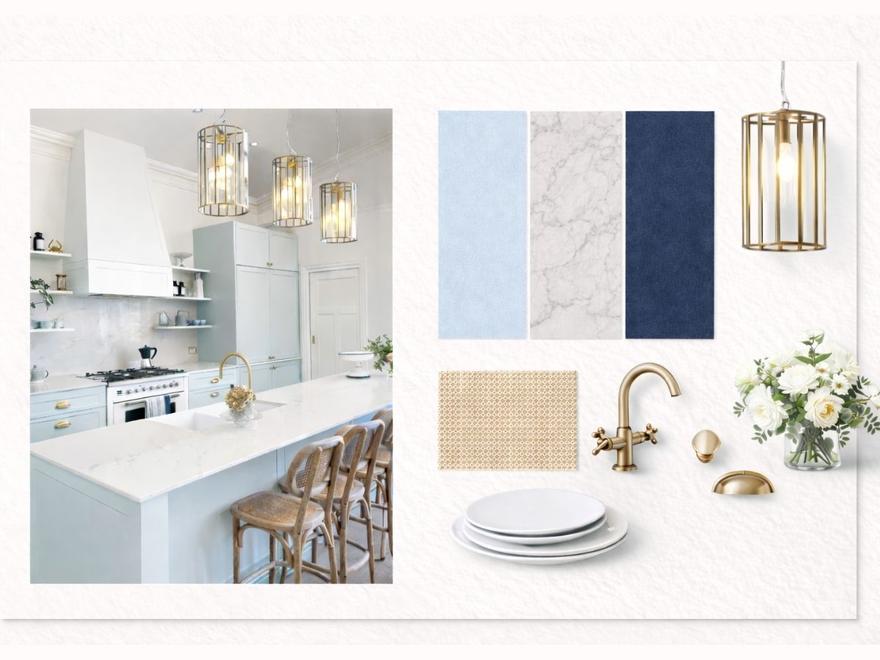
How to Design a Home That Feels Calm, Connected and Timeless
One of the most common concerns homeowners express during renovations is the fear that their home will end up feeling disjointed. Different rooms may look beautiful individually, yet when viewed together the house can lack a sense of harmony. Creating a cohesive design aesthetic is not about making every room identical. Instead, it involves thoughtful decisions that allow spaces to feel connected while still maintaining their own personality. At Findlay & Co., cohesion is achieved through a careful balance of materials, colour, lighting, proportion and spatial flow. When these elements are considered early in the design process, the result is a home that feels calm, intentional and timeless. In this guide, we explore how cohesive design works in real renovation and new build projects, and how homeowners can approach design decisions with greater clarity and confidence.
In This Guide
- What cohesive interior design actually means
- Why cohesion matters in renovations and new builds
- The six design elements that create harmony in a home
- How colour, materials and lighting work together
- Why spatial flow is essential for cohesive homes
- Practical ways homeowners can create cohesion
- Frequently asked questions about cohesive design
What Does a Cohesive Design Aesthetic Mean?
Cohesion in interior design refers to the sense that every element within a home belongs together. When a home is cohesive, moving from room to room feels natural and effortless. Materials, colours and proportions relate to one another, creating a consistent visual language throughout the space. Without cohesion, interiors can feel fragmented. One room may lean heavily modern while another feels traditional. Colours may clash between spaces, or materials may appear unrelated. A cohesive design aesthetic ensures that the entire home tells a unified story. This does not mean every room must look identical. In fact, the most interesting homes often include subtle variation. The key is maintaining an underlying thread that ties the spaces together.
Why Cohesion Matters in Renovations
In renovation projects, cohesion becomes particularly important. Many homes undergoing renovation were built decades ago and may have experienced multiple updates over time. Kitchens may have been renovated independently of bathrooms, flooring may have changed between rooms, and architectural features may not align. Without careful planning, renovations can unintentionally add to this fragmentation. By establishing a clear design direction early in the project, homeowners can ensure that each decision contributes to a cohesive whole. This approach also supports smoother collaboration with builders and trades because materials, finishes and specifications are documented clearly from the outset.
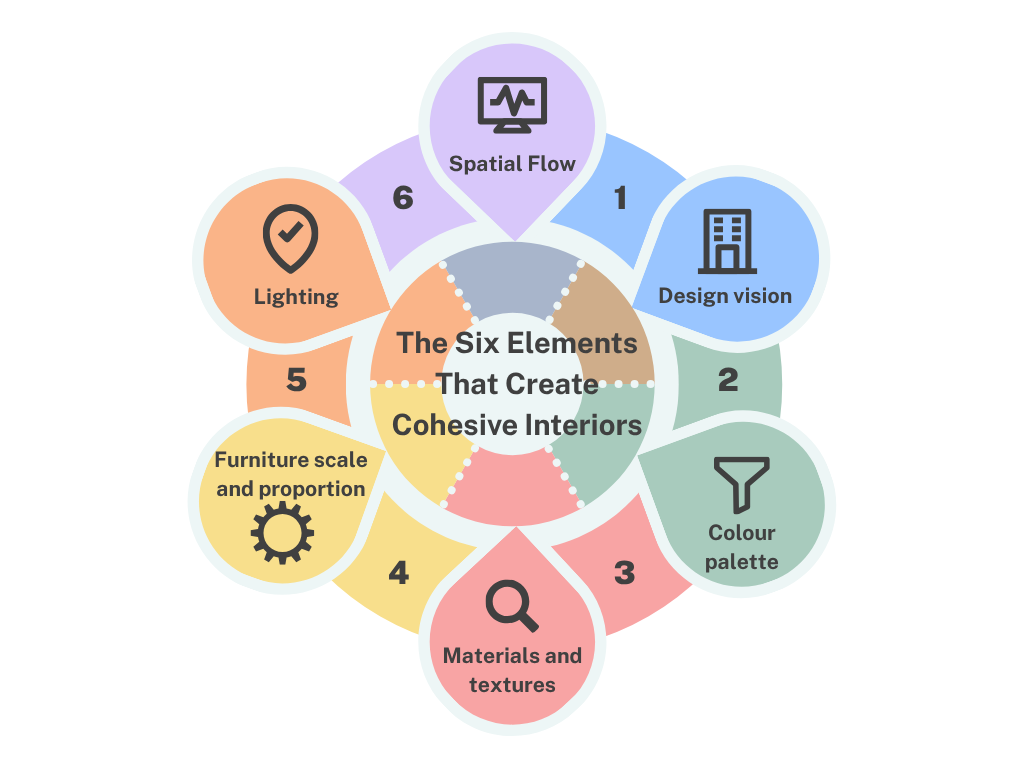
The Six Elements That Create Cohesive Interiors
1. Establish a Clear Design Vision
Every cohesive home begins with a clear design direction. This does not necessarily mean choosing a strict style label such as “modern” or “traditional.” Instead, it involves identifying the qualities you want your home to embody. For example:
- calm and minimal
- warm and layered
- light and coastal
- contemporary yet timeless
A clear vision helps guide every subsequent decision, from cabinetry finishes to lighting fixtures. Many homeowners find it helpful to collect inspiration images and create mood boards during this stage. These references reveal patterns in the materials, colours and forms that resonate most strongly. Over time, these patterns form the foundation of the design aesthetic.
2. Create a Thoughtful Colour Palette
Colour plays a powerful role in shaping the atmosphere of a home. A cohesive colour palette typically includes:
- a primary base colour
- several supporting tones
- subtle accent colours
Rather than introducing completely different palettes in every room, cohesive homes use variations of the same palette throughout the house. For example, neutral walls may run consistently across living spaces while cabinetry introduces deeper tones. Bedrooms may incorporate softer variations of the same palette used in communal areas. This approach allows the home to feel connected while still offering subtle variation between spaces.
3. Use Consistent Materials and Textures
Materials provide one of the strongest visual threads within a home. Timber flooring, stone surfaces, brushed metals and natural fabrics can appear across multiple rooms, reinforcing the overall design language. For example:
- A timber tone used in the kitchen may also appear in bathroom cabinetry or furniture pieces.
- Stone used in a kitchen benchtop may be echoed in bathroom vanities.
- Metal finishes such as brushed brass or matte black may repeat across tapware, lighting and hardware.
These subtle connections create continuity without making spaces feel repetitive. Combining smooth surfaces with tactile materials such as linen, timber or natural stone adds depth and warmth to the design.
4. Consider Furniture Scale and Proportion
Furniture selection significantly influences how cohesive a space feels. Large pieces should feel proportionate to the room, while smaller items should complement rather than compete with the architecture. For example:
- Low-profile sofas can maintain visual openness in living rooms
- Dining tables should allow comfortable circulation around them
- Oversized furniture can overwhelm smaller spaces
When furniture proportions align with the architecture of the home, spaces feel balanced and harmonious.
5. Plan Lighting as Part of the Design
Lighting is one of the most transformative elements of interior design. Well-planned lighting layers create atmosphere while supporting everyday tasks. These layers typically include:
- Ambient lighting - General illumination that allows the room to function comfortably.
- Task lighting - Focused lighting for activities such as cooking or reading.
- Accent lighting - Lighting used to highlight architectural features or artwork.
When lighting fixtures share similar finishes or forms throughout the home, they reinforce the overall design aesthetic. Lighting also helps emphasise textures and materials, enhancing the visual depth of the space.
6. Maintain Flow Between Rooms
Perhaps the most overlooked aspect of cohesive design is the transition between rooms. Homes rarely exist as isolated spaces. Instead, rooms connect visually and physically. Maintaining flow involves considering:
- Flooring continuity
- Doorway alignments
- Ceiling heights
- Lighting transitions
For example, consistent flooring across living areas can visually expand a home, while subtle changes in materials may define different zones without disrupting the overall aesthetic. This approach creates a sense of calm continuity throughout the home.
The Role of Editing in Cohesive Design
One of the most powerful design skills is knowing when to stop adding elements. Cluttered spaces often result from introducing too many competing styles, colours or materials. Editing allows the strongest design elements to shine. Removing unnecessary objects and allowing space for materials and textures to breathe creates a sense of calm within the home. Negative space is not emptiness — it is an essential component of balanced design.
A Real Renovation Insight
During a recent renovation project in regional NSW, a family wanted their newly renovated home to feel calm and connected rather than overly styled. Instead of introducing many different materials, we selected a limited palette of timber, soft stone and warm neutral tones. These materials were repeated across joinery, flooring and furniture elements. The result was a home that felt layered and interesting, yet also incredibly calm. This is the strength of cohesive design — restraint can often be more powerful than complexity.
How Homeowners Can Create Cohesion in Their Homes
If you are planning a renovation or redesign, the following principles can help guide your decisions.
- Start With a Vision
Identify the feeling you want your home to evoke.
- Choose Materials Carefully
Select materials that can appear across multiple rooms to reinforce continuity.
- Limit Colour Changes
Use variations of a consistent colour palette rather than completely different schemes in each space.
- Repeat Key Elements
Allow materials, finishes or forms to reappear throughout the home.
- Edit Regularly
Remove items that disrupt the overall aesthetic or create visual clutter.
Frequently Asked Questions
Do all rooms in a cohesive home need to match?
No. Cohesion comes from shared elements and design language rather than identical finishes.
Can cohesive design work in older homes?
Yes. Renovations often use consistent materials and colour palettes to unify spaces that were previously disconnected.
Does cohesive design mean neutral colours only?
Not necessarily. Colour can absolutely be part of a cohesive home as long as it is used thoughtfully across spaces.
How early should cohesive design decisions be made?
Ideally during the planning stage of a renovation so materials, lighting and joinery can be integrated into construction documentation.
Bringing It All Together
Creating a cohesive design aesthetic is not about following strict rules or limiting creativity.
Instead, it is about making thoughtful decisions that allow each element within a home to relate to the others.
When colour, materials, lighting and spatial flow are aligned, the result is a home that feels calm, balanced and deeply personal.
At Findlay & Co., we believe cohesive design allows homeowners to experience their spaces as a complete environment rather than a collection of separate rooms.
Considering a Renovation or New Build?
Findlay & Co works with homeowners across the Hunter Region, Newcastle, and throughout NSW to guide projects from initial concepts through masterful execution. Explore our complete Interior Design Services page to learn about our collaborative process.
If you are planning a renovation or new build and would like expert clarity or validation on your choices before construction begins, we invite you to discover our Design Decisions Intensive. For more information on how we work, please visit our FAQ page.
Ready to discuss your vision? We invite you to book a free discovery call to take the first step.
About Naomi Findlay
Want to know more about our services? Leave your details below