

Why Every Detail Matters in Interior Design: How Thoughtful Design Decisions Shape Better Homes

When people think about interior design, they often imagine colours, furniture or decorative styling. In reality, the most successful homes are shaped by decisions that go far deeper than surface aesthetics. From spatial flow and lighting placement to material choices and joinery proportions, every detail contributes to how a home functions, ages and feels over time. At Findlay & Co., our design philosophy centres around the belief that thoughtful details are not small decisions — they are the elements that allow a space to feel cohesive, comfortable and genuinely reflective of the people who live there. This article explores why details matter in interior design, how small decisions influence the long-term success of a renovation, and how homeowners can approach their projects with greater clarity and intention.
In This Guide
- Why details shape the success of a renovation
- The difference between decoration and integrated design
- How materials, light and layout influence everyday living
- How thoughtful detailing improves functionality
- Practical ways homeowners can approach design decisions
- Frequently asked questions about interior design details
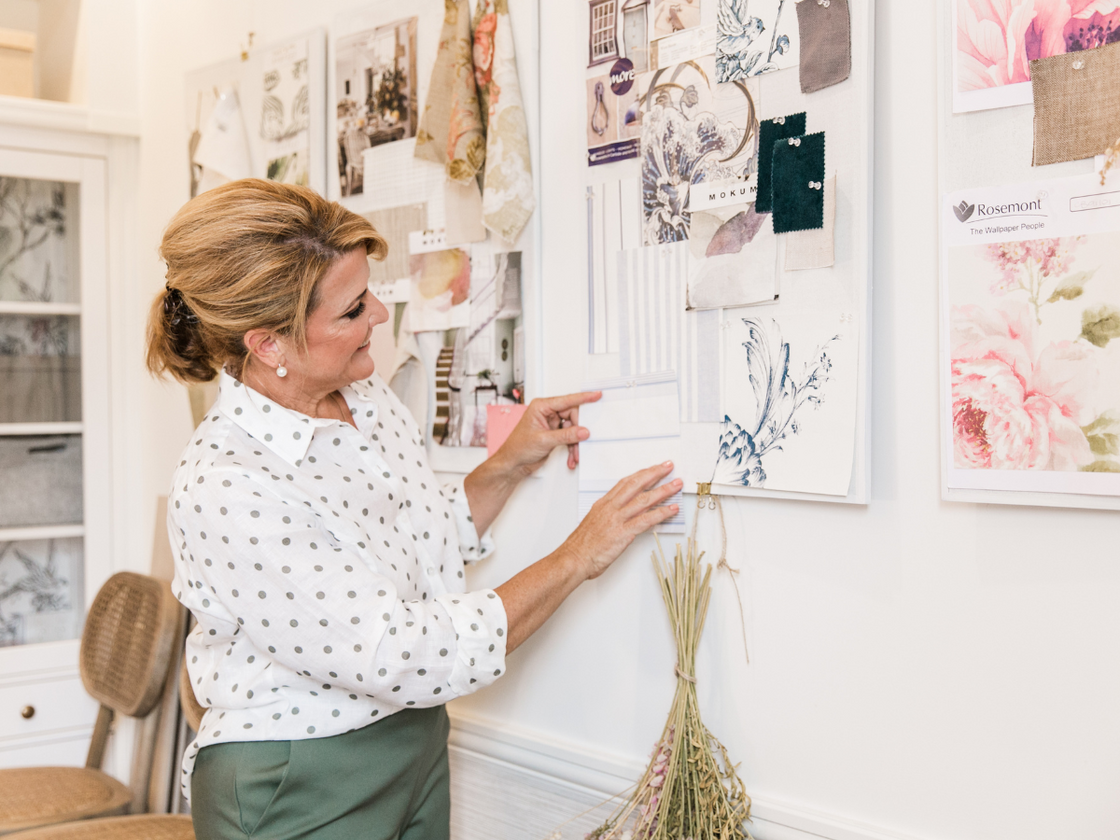
The Role of Detail in Interior Design
Interior design operates on two levels. The first is the overall concept — the vision that guides the look and feel of the space. The second is the collection of individual decisions that bring that vision to life. These decisions include:
- the proportion of cabinetry
- the placement of lighting
- the alignment of materials
- the texture of surfaces
- the way colours interact across rooms
When these details are considered carefully, a home feels cohesive and comfortable. When they are overlooked, even beautiful materials can feel disconnected or unfinished. Details create continuity. They ensure that each space flows naturally into the next and that design decisions support both the aesthetic and practical needs of daily life.
Design Is More Than Decoration
It is easy to assume that interior design primarily involves selecting colours, finishes and furniture. While these elements are important, thoughtful design goes much deeper. In renovation and new build projects, designers also consider:
- spatial planning
- natural light
- circulation through the home
- storage integration
- material longevity
- how spaces will evolve over time
These decisions are often invisible once a project is complete, but they have a significant impact on how the home functions. For example, the difference between a kitchen that feels intuitive and one that feels awkward often comes down to details such as appliance placement, bench depth and lighting design. Decoration adds personality. Integrated design shapes how the home works.
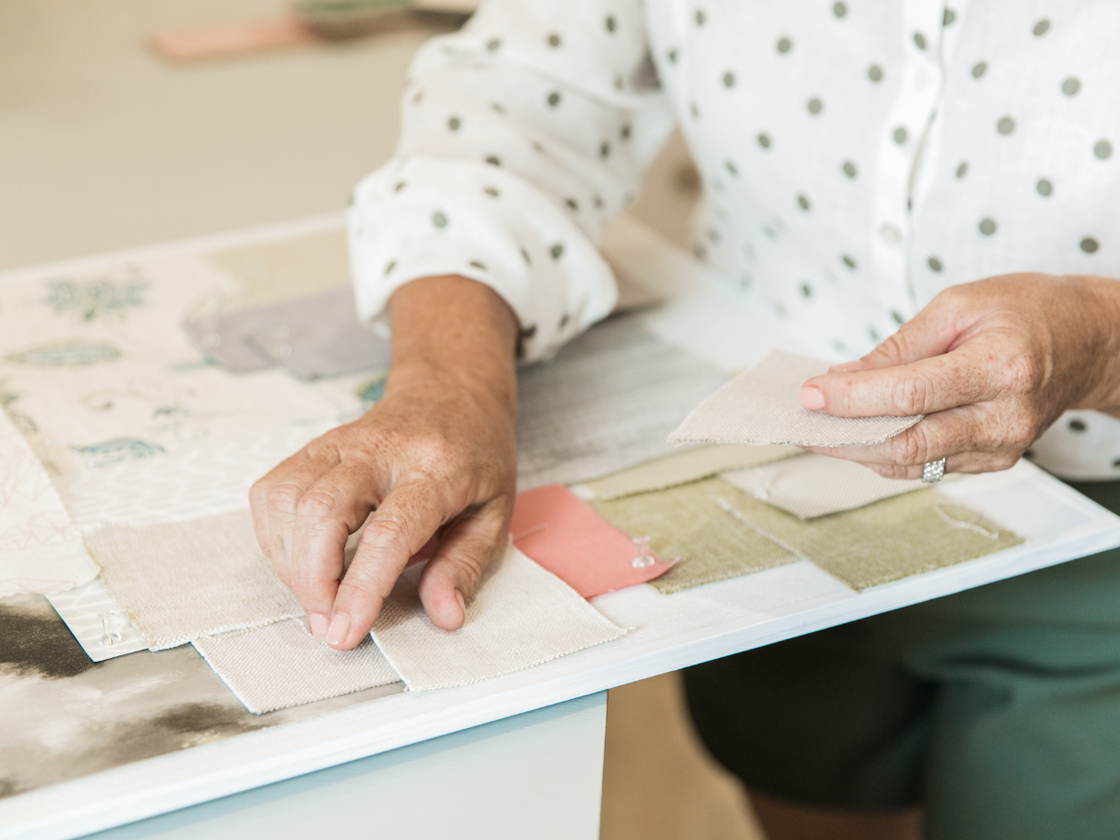
The Importance of Material Selection
Materials are one of the most influential details in any interior. Beyond visual appeal, materials affect:
- durability
- maintenance
- how surfaces age over time
- how light interacts with the space
For example:
- Natural timber introduces warmth and texture but requires thoughtful sealing and maintenance.
- Stone surfaces offer durability but can dramatically influence the visual weight of a kitchen or bathroom.
- Tiles contribute not only colour and pattern but also scale and rhythm within a space.
Selecting materials thoughtfully ensures that the home feels balanced and continues to perform well long after the renovation is complete.
Lighting: The Detail That Transforms a Space
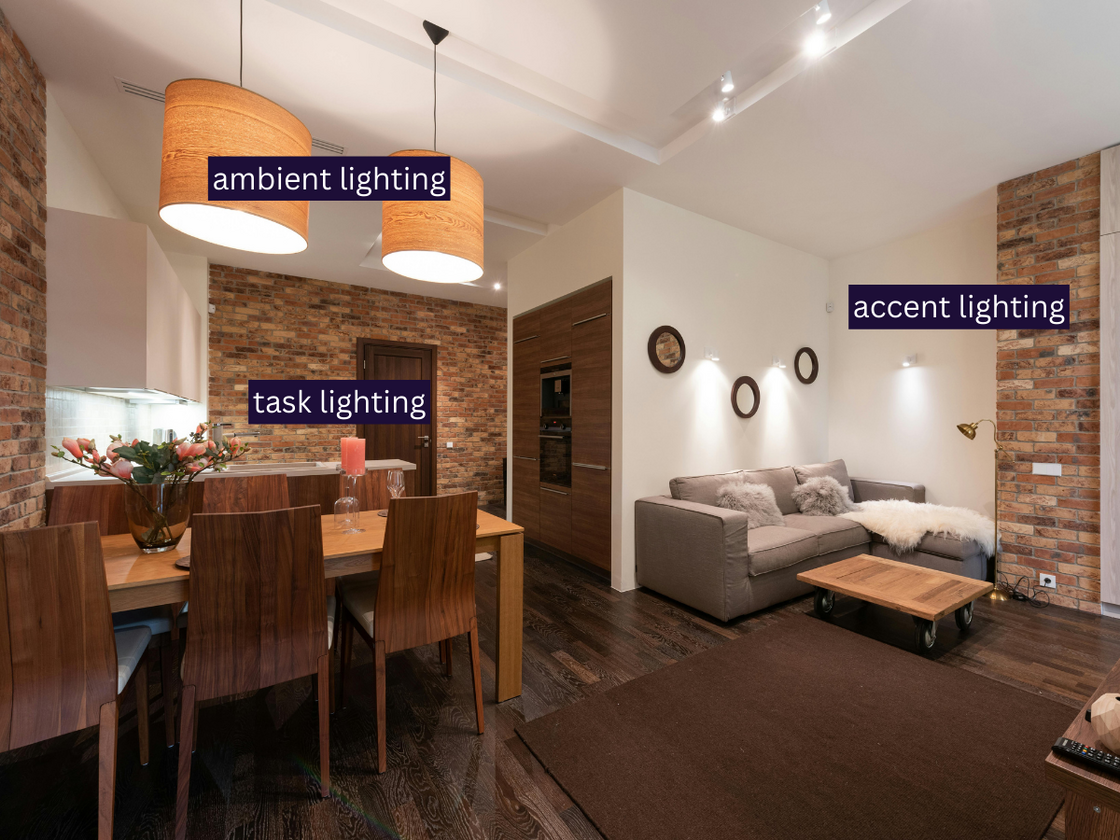
Lighting is one of the most powerful tools in interior design, yet it is frequently underestimated. Well-considered lighting includes multiple layers:
- ambient lighting for overall illumination
- task lighting for functional areas such as kitchens
- accent lighting to highlight architectural features
When lighting is integrated early into the design process, it enhances the architecture of the space and supports everyday activities. Poorly planned lighting, on the other hand, can make even beautifully designed spaces feel uncomfortable or impractical.
Joinery and Proportion
Custom joinery often forms the backbone of a well-designed interior. Cabinetry, shelving and storage solutions define how a home functions on a daily basis. When designing joinery, details such as proportions, handle placement and internal organisation become incredibly important. For example:
- deeper drawers may improve kitchen functionality
- concealed storage can reduce visual clutter
- integrated appliances maintain a clean design aesthetic
These decisions may seem small individually, but together they shape how intuitive and enjoyable a space feels to use.
How Details Improve Everyday Living
Good design is ultimately about supporting the lives of the people who use the space. Details influence how easily daily routines unfold.
For instance:
- Thoughtful storage prevents clutter accumulation
- Layered lighting supports different activities
- Durable materials withstand family life
- Intuitive layouts improve movement through the home
When these details are considered early in the design process, homeowners experience the benefits every day — often without consciously noticing why the space feels so comfortable.
A Renovation Example
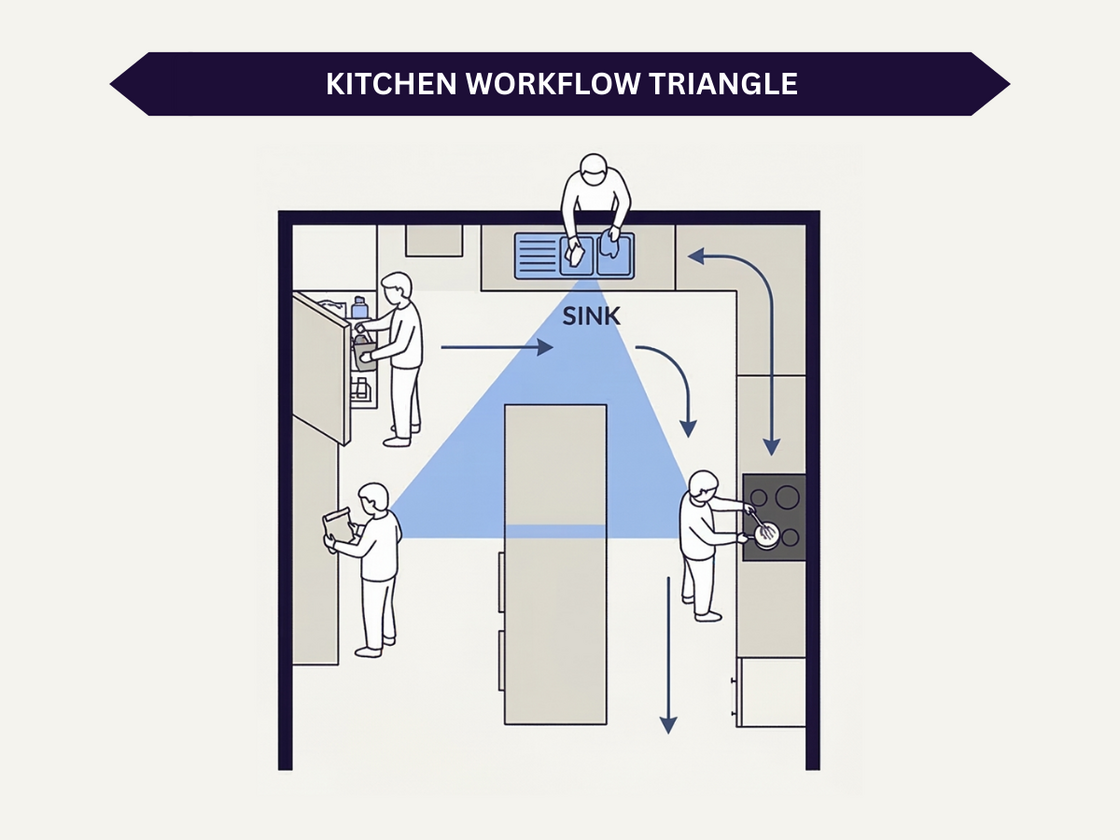
In a recent NSW renovation project, a family wanted to update their kitchen and living area. Initially, the focus was on replacing finishes and cabinetry. However, once we examined the layout more closely, it became clear that a few small adjustments would dramatically improve functionality. By shifting the location of the refrigerator, adjusting the island dimensions and introducing layered lighting, the kitchen became easier to navigate and more enjoyable to use. These changes were not dramatic visually, but they transformed the way the space functioned. This is the power of thoughtful detailing.
How Homeowners Can Approach Design Details
If you are planning a renovation or new build, there are several ways to approach design decisions with greater clarity. Consider the following principles:
- Start With Function
Before choosing finishes, consider how the space will be used and what practical requirements must be met.
- Think About Longevity
Select materials and layouts that will continue to perform well in the years ahead.
- Pay Attention to Light
Observe how natural light moves through your home and consider how artificial lighting can support different activities.
- Maintain Cohesion
Choose materials and colours that create continuity between rooms rather than treating each space independently.
Frequently Asked Questions
Why do interior designers focus so much on small details?
Small decisions accumulate. When many thoughtful details work together, the overall space feels cohesive and functional.
Are design details important even in smaller renovations?
Yes. Even minor renovations benefit from careful planning around materials, lighting and spatial flow.
Can paying attention to details increase the value of a home?
Well-designed spaces often appeal more strongly to future buyers because they feel balanced, practical and cohesive.
Do details affect renovation costs?
Thoughtful detailing can actually prevent costly changes during construction because decisions are made early and documented clearly.
Considering a Renovation or New Build?
A renovation or new build is a significant undertaking, both financially and emotionally.
When the right professionals are involved early in the process, homeowners gain clarity, construction progresses more smoothly and the finished home feels thoughtfully resolved.
Findlay & Co works with homeowners across the Hunter Region, Newcastle, and throughout NSW to guide projects from initial concepts through masterful execution. Explore our complete Interior Design Services page to learn about our collaborative process.
If you are planning a renovation or new build and would like expert clarity or validation on your choices before construction begins, we invite you to discover our Design Decisions Intensive. For more information on how we work, please visit our FAQ page.
Ready to discuss your vision? We invite you to book a free discovery call to take the first step.
About Naomi Findlay
Naomi Findlay is the founder of Findlay & Co, a collaborative interior design studio working across the Hunter Region and NSW. With more than 15 years of experience in residential renovations, new builds and boutique commercial interiors, Naomi specialises in helping homeowners make confident design decisions while supporting smooth construction outcomes.
Want to know more about our services? Leave your details below